Principal Engineer · 16+ years
Helping senior engineers think and design like architects.
I write about system design, mentor engineers moving toward staff and principal, and teach what I've learned the hard way.
Or go deeper: the live cohort ↗AI Supply Chain: Threat Model Your Agent Toolchain
Your agent tooling has repo access, credentials and auto-update. Audit it before it ships your secrets.
Tue, 11 Aug · 6:30pm London · 30 minutes · Zoom
What engineers say
26+ engineers and colleagues, sharing what changed after we worked together.
“Ehsan consistently delivers the best in company projects on time and to high standards. I have always admired his ability to stay calm and perform under pressure. He is a great asset to the team both on a professional and personal level. I would not hesitate to recommend Ehsan.”
“Ehsan gave me really clear and practical advice on my resume and career direction. His feedback helped me focus on what actually matters to recruiters and improve how I present my skills. Super helpful and easy to talk to !!”
“The session was amazing and so informative covering a lot of topics like reviewing linked profile, CV and GitHub profile. Thank you so much for your time, Gaz.”
More ways to learn
- Self-paced coursesClean Code Mastery free; System Design Mastery and Node.js & TypeScript interview prep premium.Browse courses →
- 1:1 mentorshipCareer, system-design judgment, and the path from senior to staff and principal.See programs →
- Writing & podcastHundreds of deep-dives on architecture, plus the Breakpoint podcast.Read the latest →
Latest writing

Everything Is Being Rewritten in Rust. Is It Time You Learned It?
The kernel dropped the experimental label, Cloudflare rewrote its proxy, and your JavaScript build is already Rust underneath. That is the case for learning it. The case against is that the most important TypeScript tool of the decade picked Go. Here is how I read the trade-off, and where I would still not leave TypeScript.

Situational Awareness: The Decade Ahead to AGI by Leopold Aschenbrenner
A short, simple review of Leopold Aschenbrenner essay. He says AI will reach human-level smarts around 2027. Here is what he gets right, what he gets wrong, and what it means for you.

Why I Route Every AI Call Through OpenRouter Instead of Direct Endpoints
I migrated gazar.dev off direct Gemini and OpenAI endpoints onto OpenRouter as a single gateway. One key, one request shape, one bill, and switching models is now a string change. Here is what that bought me and what it cost.

What I Learned From DoorDash's AI Assistant Architecture
DoorDash's eval said Gemini Flash was worse than Sonnet. It wasn't. Four things I took from their engineering series on grounding, agent memory, and evals.

Notes on Software Quality
What software quality actually is, why it gets harder as teams and products grow, and what a staff engineer can still do about it even when the org is working against them.

Soon Everyone at Your Company Will Be an Engineer
AI is tearing down the wall around engineering. Why everyone becomes an engineer, org charts flatten, and every function turns into an engineering role.
Popular this week
What other engineers have been reading in the last seven days.

Monorepo Tools Compared: NX, Turborepo, Bazel, and Rush
Compare the leading monorepo tools: NX, Turborepo, Bazel, Rush, and PNPM workspaces. Choose the right fit for your team size, stack, and build needs.

SQLZoo SELECT from WORLD: Solutions and Explanations
Worked solutions to every SQLZoo SELECT from WORLD exercise, from basic filtering to population and GDP-per-capita queries, each explained step by step.

oxlint vs ESLint: Why I Replaced ESLint with oxlint
Replaced ESLint with oxlint in a React TypeScript project and cut lint time from 12 seconds to under one. What I traded away and whether it was worth it.

Cues by Vanessa Van Edwards: Book Review
My review of Cues by Vanessa Van Edwards, which argues charisma is a learnable skill. The signals that actually work, what holds up, and what to skip.

Everything Is Being Rewritten in Rust. Is It Time You Learned It?
The kernel dropped the experimental label, Cloudflare rewrote its proxy, and your JavaScript build is already Rust underneath. That is the case for learning it. The case against is that the most important TypeScript tool of the decade picked Go. Here is how I read the trade-off, and where I would still not leave TypeScript.

The Charisma Myth by Olivia Fox Cabane
I always thought charisma was something you either had or didn't. Cabane says that's wrong. Charisma is a skill built from three components: presence, pow...
Where to start
The deep dives I'd point a senior engineer at first, grouped by topic.

SQL, from SELECT to subqueries
Worked SQLZoo solutions, joins, aggregates, GROUP BY vs HAVING, and subqueries — the queries interviewers actually ask.
9 deep dives · Start reading →
Database performance & scaling
Indexes, query optimisation, sharding, replication and normalization — how to make a database fast and keep it fast.
8 deep dives · Start reading →
Modern TypeScript tooling
Why oxlint replaced ESLint, pnpm vs npm, Lefthook vs Husky, and the Rust/Go shift in the frontend toolchain.
6 deep dives · Start reading →
Data structures in TypeScript
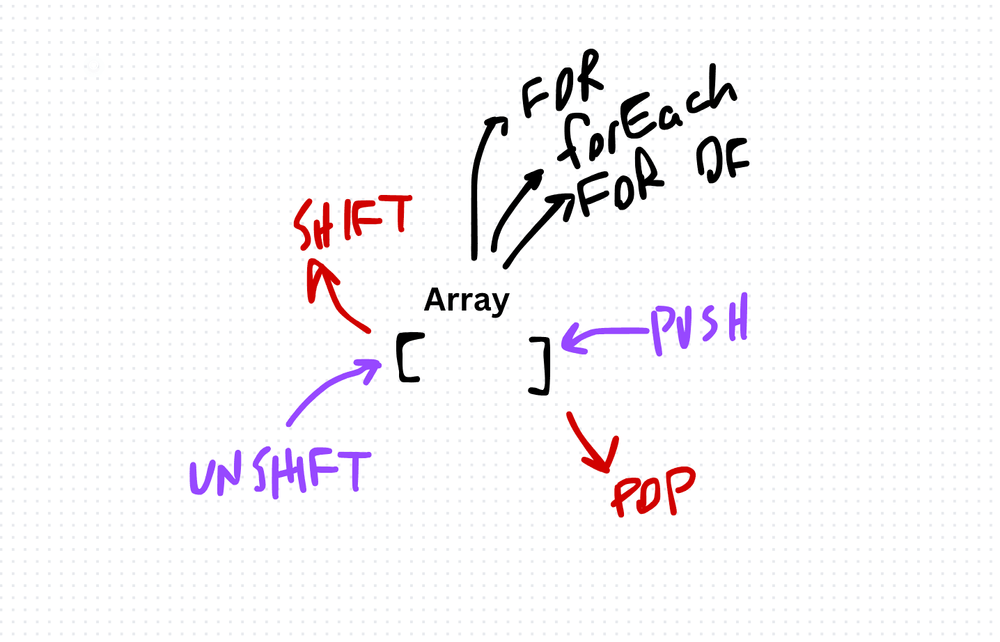
Arrays, linked lists, stacks, queues, trees, tries, graphs, heaps and hash tables — implemented and explained in TypeScript.
12 deep dives · Start reading →
Sorting & searching algorithms
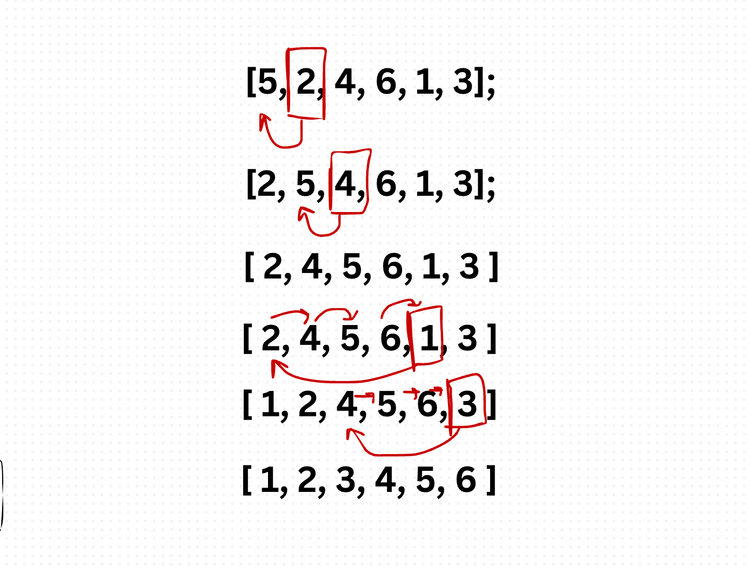
Insertion, selection, merge and quick sort, plus binary and substring search — the classic algorithms, step by step.
6 deep dives · Start reading →
Design systems in practice
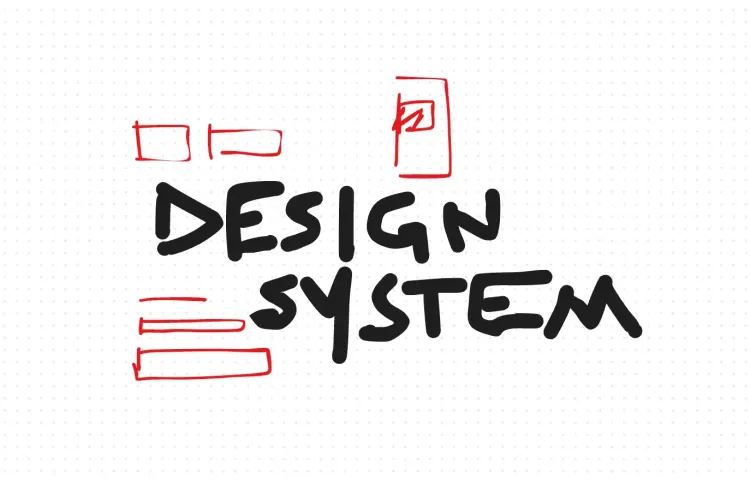
What a design system really is (per Atlassian), how Dropbox and Netflix build theirs, and how to roll out an internal UI component library.
6 deep dives · Start reading →
Scaling & system architecture
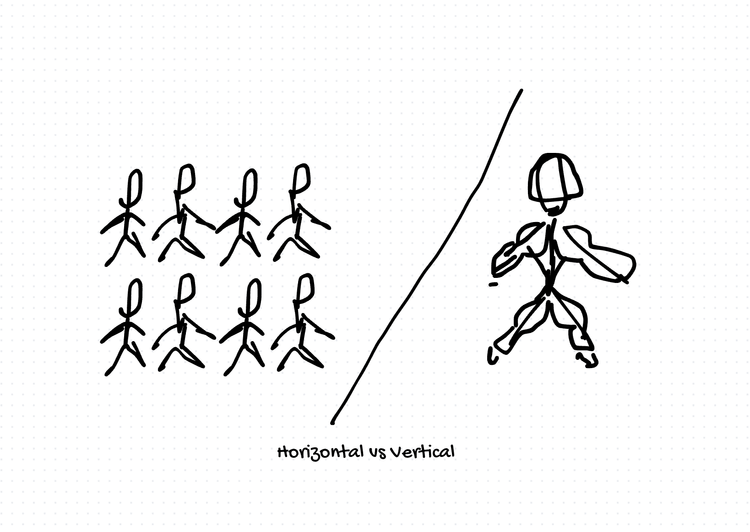
Horizontal vs vertical scaling, capacity estimation, resilience patterns and the architecture principles behind systems that grow.
6 deep dives · Start reading →
X vs Y: engineering trade-offs
Head-to-head breakdowns — oxlint vs ESLint, REST vs GraphQL, SQL vs NoSQL, Svelte/Preact vs React — with the trade-offs that decide it.
12 deep dives · Start reading →