What are leadership styles and how to find yours
I spent years leading teams without ever thinking about my leadership style. I just... led. It was not until I started reading about different approaches ...
14 Oct 2023

I spent years leading teams without ever thinking about my leadership style. I just... led. It was not until I started reading about different approaches that I realized I was unconsciously mixing several styles -- and that understanding them deliberately made me more effective.
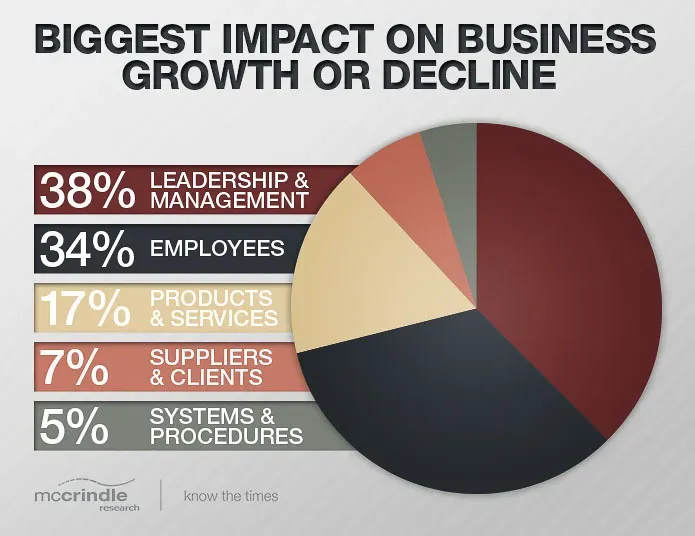
36% of organizations have no formal leadership development strategy. That is alarming, given that leadership style has up to a 38% impact on business outcomes.
1. Democratic Leadership
Decisions come from the team. You facilitate, guide, and make the final call -- but everyone has input. This works well with experienced engineers who have strong opinions and the skills to back them up.
Teams under democratic leadership consistently report higher job satisfaction and produce more creative solutions.
2. Autocratic Leadership
The opposite. You decide, everyone follows. Useful in crisis situations or when decisions need to happen fast. Terrible for long-term team health. High turnover and resentment are common side effects.
Best suited for routine environments or military-style operations. Rarely appropriate in knowledge work.
3. Laissez-Faire / Servant Leadership
Hands off. You trust your team to manage themselves. This works beautifully with senior, self-motivated engineers. It fails spectacularly with teams that need direction or are still forming.
The risk: without any authority, important decisions stall.
4. Strategic / Facilitative Leadership
You balance the executive vision with the day-to-day needs of your team. Building trust between leadership and individual contributors is the core skill here. People-first, but always connected to business objectives.
This style thrives in creative and skill-based industries where rigid structures create more problems than they solve.
5. Transformational Leadership
Always pushing the team to grow. You challenge conventions, encourage people to step outside their comfort zones, and paint a compelling vision of the future.
Transformational leaders inspire by helping people develop their own skills and vision -- not just following yours.
The risk: big-picture thinkers sometimes lack the execution detail to make their vision real. You need strong operators around you.
6. Charismatic Leadership
Similar to transformational, but more personality-driven. The danger is that when the charismatic leader leaves, the team collapses. Build systems, not cults of personality.
7. Transactional Leadership
Rewards for output. Hit the target, get the bonus. Clear and simple. But it does not build loyalty or intrinsic motivation. People perform to the incentive, not beyond it.
8. Bureaucratic Leadership
By the book. Rules and processes dictate decisions. Input is welcome as long as it fits existing policy. Useful in regulated industries. Suffocating in fast-moving ones.
9. Situational Leadership
The real answer. No single style works everywhere. The best leaders adapt their approach based on the team, the context, and the challenge at hand. That adaptability is the hardest skill to develop and the most valuable.
Most people have a natural default style. The work is learning when to override it.
Finding Your Style
It takes years. You will fail. You will try approaches that do not fit your personality. You will overcorrect. That is the process.
Pay attention to when your team performs well and when they struggle. The patterns will tell you which style is working and which is not.
Be a yardstick of quality. Some people are not used to an environment where excellence is expected. -- Steve Jobs
AI Transformation for Organisational Leaders
For directors, heads of function and founders: eight live evening sessions with Ehsan Gazar and Anoosh Zeighami, ending with a one-page 2027 AI plan for your organisation, built on a real workflow and ready for your leadership team.
$1,495, or $1,045 with code EARLYBIRD until 23 Oct.
View the live cohortKeep reading
- Tech Leadership 101: A Guide with Insights from The Manager's Path
- The Art of Engineering Leadership: Inspiring Teams to Innovate and Excel
- Effective Leader
- Engineering Management in a Remote-First World
- A Comprehensive Onboarding Plan for Junior Frontend Developers
- Help newcomers with the onboarding process as a Lead/Senior Engineer